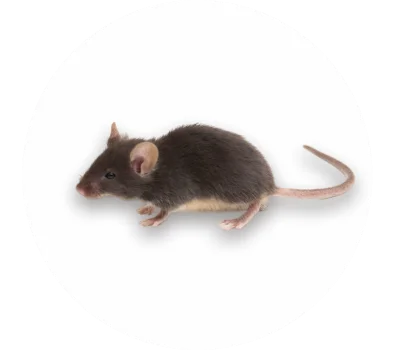
Mice
Small rodents that nest indoors, especially in warm, cluttered spaces.

At PT. Pestindo Central Optima (PCO), effective pest management begins with correct identification. Use the Pest Dictionary to understand common pests, their behavior, and the risks they can create for facilities, products, and people.
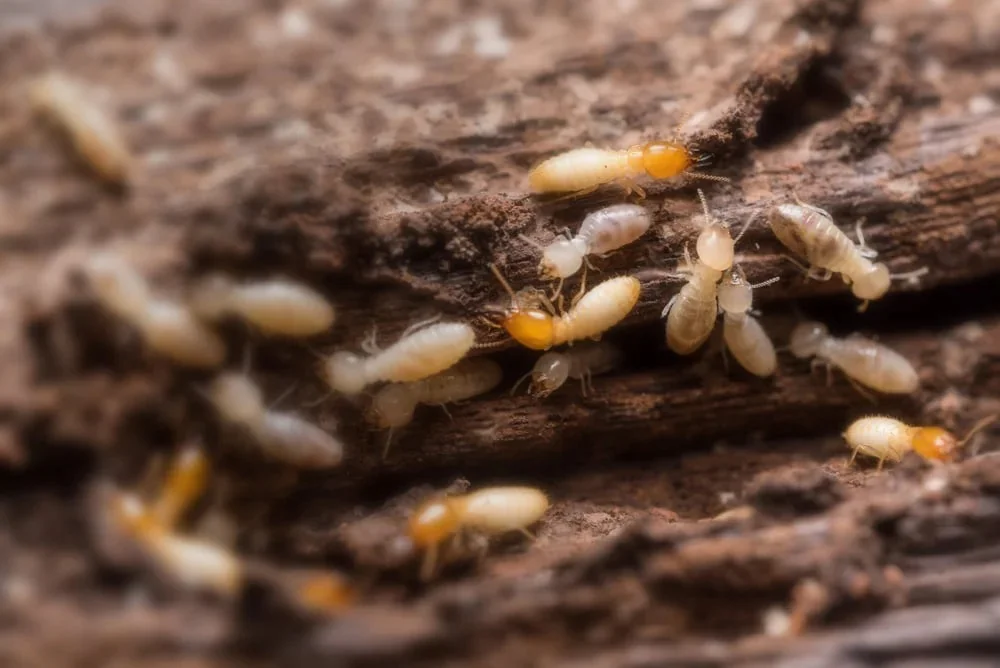
Small rodents that nest indoors, especially in warm, cluttered spaces.
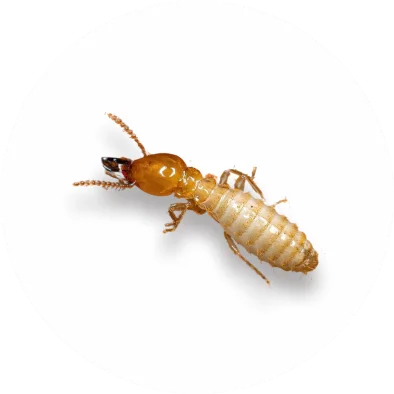
Silent destroyers that feed on wood and cellulose-based materials.
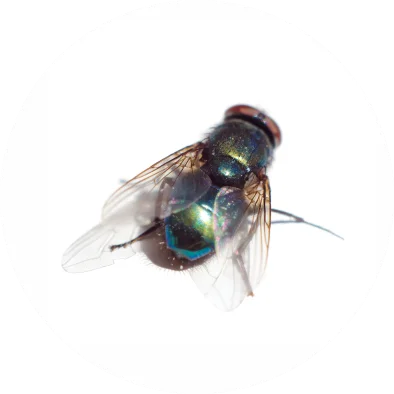
Fast-breeding flying insects commonly found in unsanitary areas.
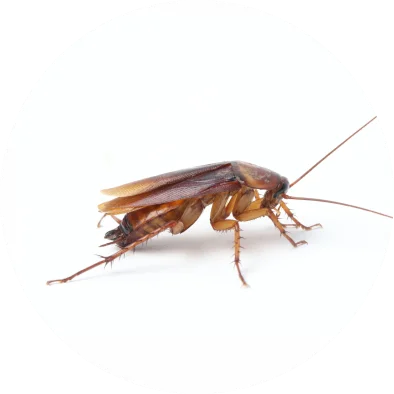
Nocturnal insects that thrive in moist, dark environments.
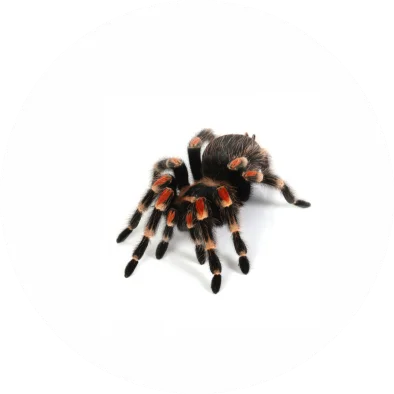
Arachnids commonly found in undisturbed areas.
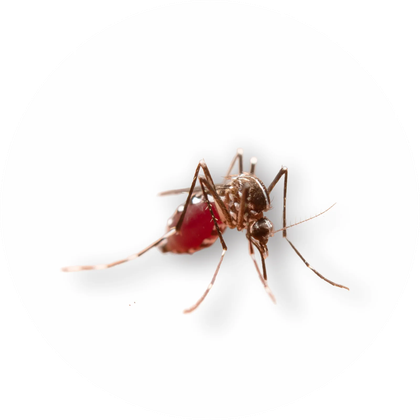
Blood-feeding insects that breed in stagnant water.
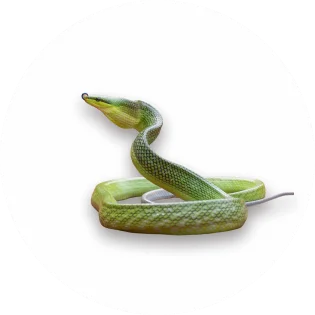
Reptiles that may enter properties in search of food or shelter.
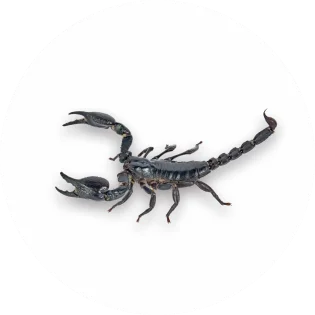
Nocturnal arachnids with venomous stings.
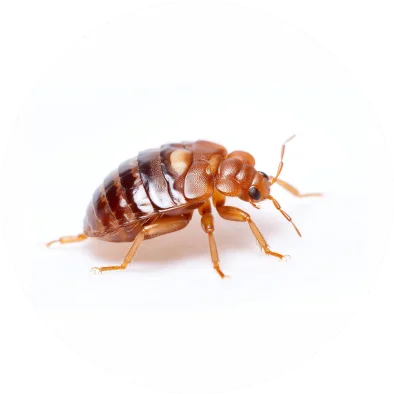
Includes nuisance insects like stink bugs, leafhoppers, etc.
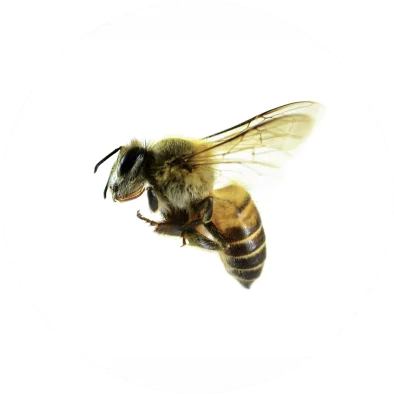
Flying pollinators that may form hives near human activity.
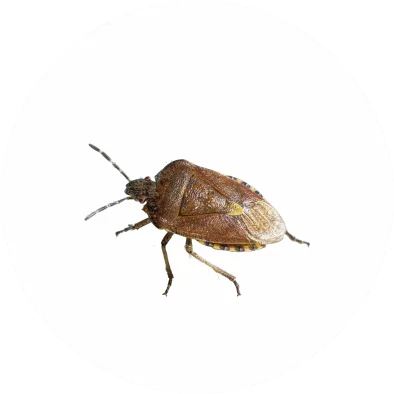
Tiny parasitic insects that feed on blood, usually from pets.
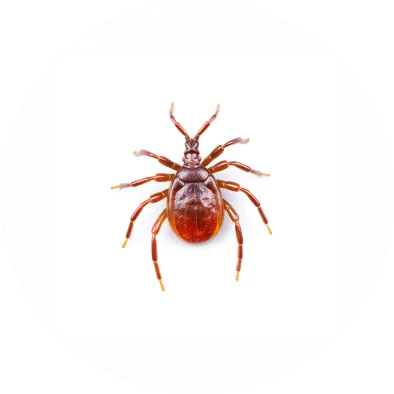
Parasites that attach to animals and humans.
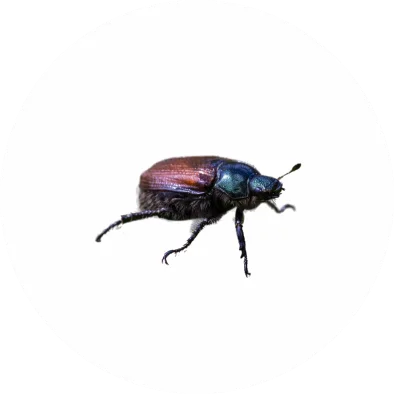
Small sap-sucking insects commonly found on crops and garden plants.
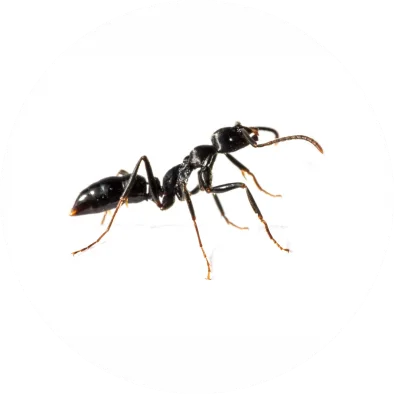
Social insects that form colonies indoors and outdoors.
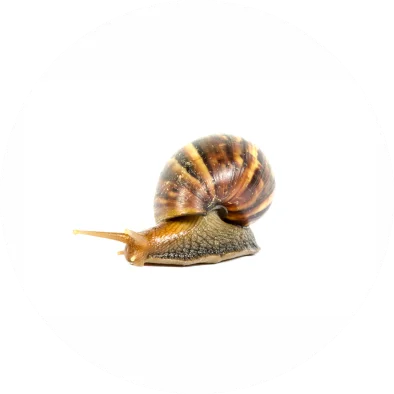
Moisture-loving mollusks that damage plants and structures.

Includes pigeons, swallows, sparrows, often nesting in rooftops.
No matching pest found. Try another keyword.
Discuss inspection, prevention, treatment, monitoring, and reporting requirements directly with PCO KiT.